
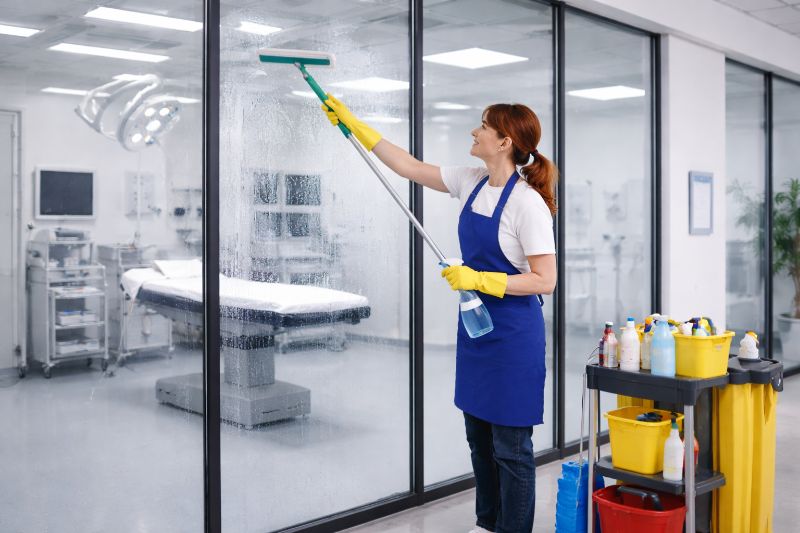
Cleaning a medical office is categorically different from cleaning a standard commercial space. The stakes are higher, the protocols are stricter, and the consequences of getting it wrong include regulatory action, patient safety incidents, and liability exposure that no practice manager wants to contemplate. This guide covers what you need to know.
Regulatory Framework
Medical facility cleaning in the United States is governed by guidance from the CDC and OSHA, with additional requirements from state health departments. The relevant documents include:
- CDC Guidelines for Environmental Infection Control in Health-Care Facilities — the foundational reference for clinical environment cleaning
- OSHA Bloodborne Pathogen Standard (29 CFR 1910.1030) — governs handling of blood and other potentially infectious materials
- State health department regulations — vary by state and facility type
Your cleaning provider should be familiar with these documents. If they are not, that is a disqualifying factor.
Zone-Based Cleaning Classification
Medical facilities are typically divided into contamination zones that determine cleaning frequency and product requirements:
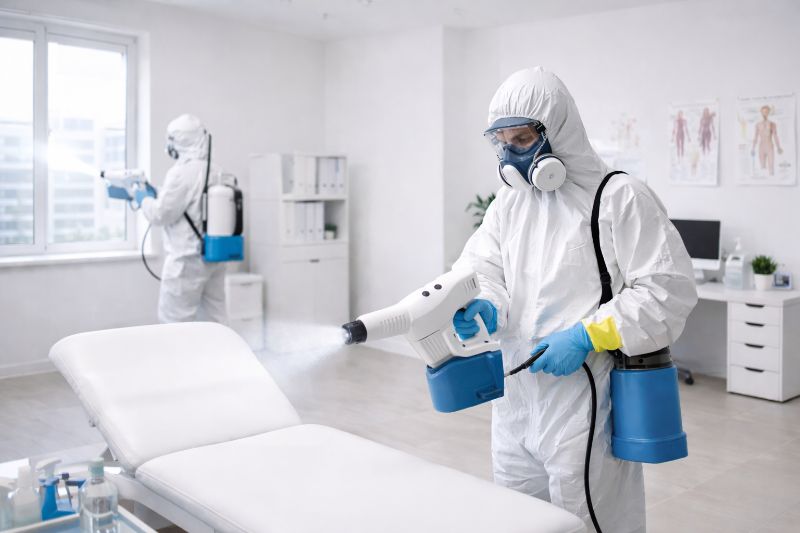
- High-risk zones (exam rooms, procedure areas, restrooms): Daily disinfection with EPA-registered hospital-grade disinfectants; surface contact with EPA List N products
- Moderate-risk zones (waiting areas, corridors, administrative areas): Daily cleaning and disinfection of high-touch surfaces
- Low-risk zones (storage, staff break rooms): Standard cleaning protocols with periodic disinfection
Biohazard Handling Requirements
Anyone cleaning in a clinical environment must be trained in standard precautions, including appropriate PPE use and the proper disposal of regulated medical waste. This training must be documented.
Regulated medical waste — including sharps, contaminated materials, and blood-soaked items — must be handled by trained personnel following OSHA standards and disposed of through a licensed medical waste hauler.
HIPAA Considerations
Patient privacy does not end at digital records. Cleaning staff working in medical environments may encounter patient charts, appointment schedules, or other protected health information. Your cleaning provider should have a HIPAA-awareness training component for any staff assigned to healthcare facilities.
This does not require a formal Business Associate Agreement in most cases, but it does require documented training and a clear protocol for what cleaners should and should not do if they encounter PHI.
What to Look for in a Provider
Not every commercial cleaning company is equipped to clean medical facilities. When evaluating providers, ask specifically about:
- Training documentation for healthcare cleaning protocols
- List N or hospital-grade disinfectant certifications
- Biohazard handling training and documentation
- Reference clients in healthcare settings
- Their process for adapting to your specific infection control policies
A provider who cleans offices and medical facilities using identical protocols is not appropriate for clinical work. The distinction matters clinically, regulatorily, and for your patients.