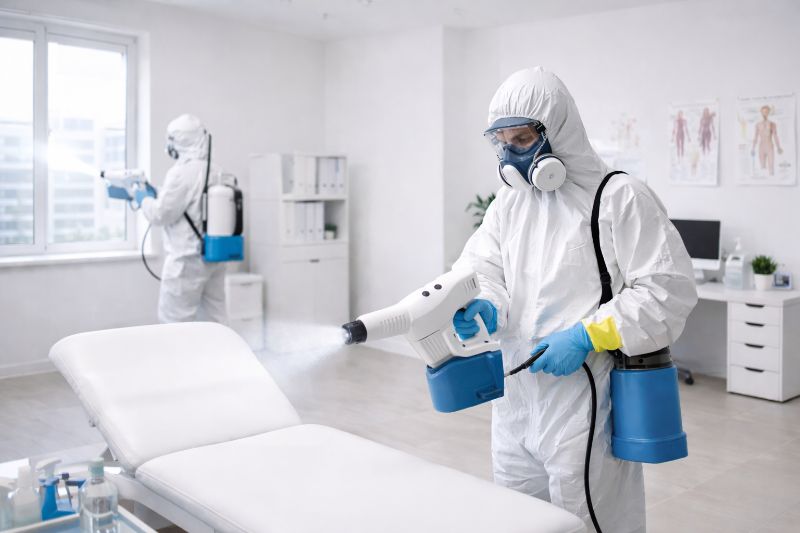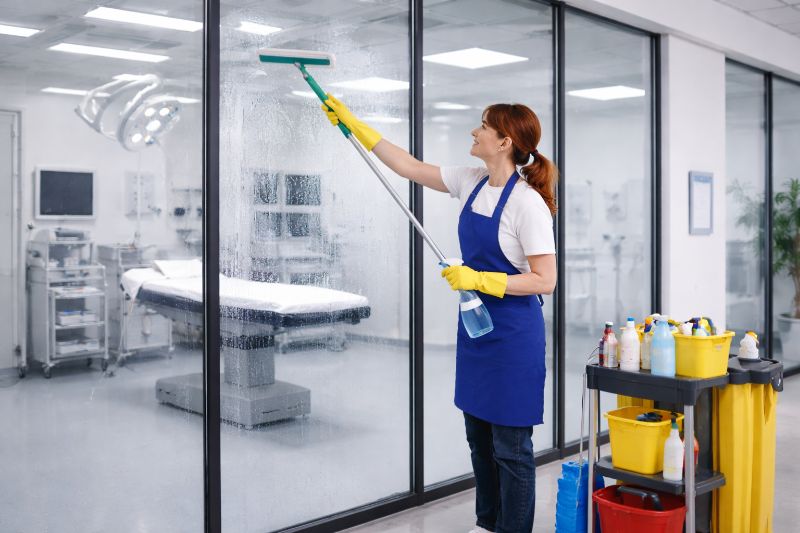


The connection between a clean workplace and employee health is not just intuitive — it is measurable. Multiple studies over the past decade have quantified the relationship between workplace hygiene standards and outcomes including sick days, productivity, and employee satisfaction.
The Numbers
A study published in the American Journal of Infection Control found that regularly disinfecting office surfaces reduced illness-related absenteeism by up to 46 percent. A separate analysis by the International Sanitary Supply Association found that for every dollar invested in workplace cleaning, businesses recover approximately four dollars in reduced sick time and increased productivity.
These are not marginal effects. They represent meaningful operational and financial impact.
Where Contamination Actually Lives
Most people associate workplace illness with restrooms — but research consistently shows that the highest bacterial counts in typical offices are found on:
- Kitchen sponges and sink handles (the highest contamination risk in most offices)
- Coffee machine buttons and handles
- Shared keyboards and mice
- Desk phones
- Copy machine touch screens
Restrooms, which receive the most cleaning attention, are often among the lower-risk areas precisely because they are cleaned more frequently.
Indoor Air Quality and Productivity
Cleanliness affects more than surface contamination. Dust accumulation in carpets, upholstery, and ventilation systems directly affects indoor air quality — which in turn affects cognitive function, concentration, and energy levels.
A Harvard School of Public Health study found that employees working in well-ventilated, low-dust environments scored significantly higher on cognitive function tests. The effect was particularly pronounced for complex decision-making tasks.
The Mental Health Dimension
A clean workspace also has documented psychological effects. Research in environmental psychology shows that cluttered, dusty, or visibly unclean environments increase cortisol levels and reduce the ability to focus. Employees in clean environments report higher job satisfaction, lower stress, and greater organizational commitment.
Practical Implications
For most businesses, the investment in professional cleaning is not just a facilities decision — it is a human capital decision. A team that works in a consistently clean environment will take fewer sick days, concentrate better, and feel better about coming to work.
The ROI calculation is straightforward. Calculate what a single sick day costs in lost productivity, multiply it by your typical annual sick day rate, and compare that figure to the cost of a professional cleaning service. For most businesses, the math is not close.